
Fact-Checked by Ronna Capili Bonifacio
This article was first published on February 9, 2020 and updated this May 31, 2024.
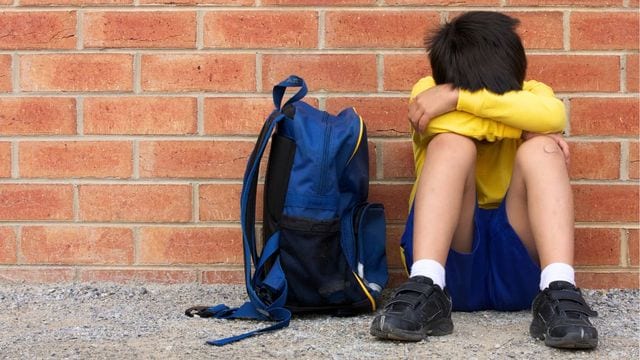
Causes of bullying differ. It only means that anyone can become a target, regardless of gender, race, religion, or socioeconomic status. Understanding why people bully others can help teachers and parents become aware and find the best ways to combat it.
Factors that can lead to bullying may include differences in appearance, social status, race, and sexual orientation. But these are not an excuse to bully someone.
Environmental factors
Physical violence in media may contribute to bullying. Some children can watch a lot of violence in the media and not be affected while others can display higher levels of aggression from watching materials deemed to be violent. Thus, it also can depend on how environmental factors are perceived and applied. Proper guidance is also imperative so as not to be influenced with such.
Low self-esteem
Some students who bully others actually have low self-esteem. They try to compensate this feeling by picking on others and feel a sense of accomplishment by doing so. It may give them a good feeling, but it is only temporary, so, they tend to do it habitually, not knowing that this feeling of elation greatly affects their victims.
Lack of compassion and empathy
Although there are others that have much higher self-confidence, they usually lack compassion and empathy and can respond aggressively whenever they feel threatened. Children who bully others have been reported as being low in empathy and therefore not being sensitive to the plight of others. This explains why some of the reasons they say they bully others are: "The other child annoyed me," "To get even," "For fun," "To show how tough I am." Whatever their reason may be, bullying will never be an action to be condoned.
What other parents are reading
Societal factors
A typical example is bullying based on sexual orientation. This has increased as the conversations surrounding LGBT (lesbian, gay, bisexual, transgender) have increased in recent years. Regardless of sexual orientation, everyone has the right to go to school and live peacefully, without fear of getting taunted or much worse, bullied.
People around the world face violence and inequality and sometimes torture, much worse, execution because of who they love, how they look or who they are. Sexual orientation and gender identity are vital aspects of one’s self and should never lead to discrimination or abuse. Society has been slowly accepting the LGBTs with an aim to provide every individual equal rights as any other human being. No person has the right to condemn, discriminate or, much worse, harm them based on their sexual preferences.
Peer groups
The influence of peer groups can also contribute a lot in bullying. Peer pressure occurs when a young person is influenced or pressured by those around them into participating in risky behavior or acting in a way that they normally wouldn’t. This is usually through friends at school, sporting groups, relatives, neighbors etc. School aged children are under great pressure to appear desirable to their peers and, if they do not, they risk becoming targets of bullying.
Craving attention
In some cases, there are some who crave for attention and the desire to be perceived as brave and confident. These can cause them to bully to get more attention. Though there are a lot of ways to get attention and be at the limelight, bullying seems to be the easiest and “coolest” way to do so.
Dysfunctional families
Children who bully are 3 times more likely to have family or parental problems. Children who experience issues at home, such as abuse and neglect or a divorce, can cause them to bully others due to despair, anger, or jealousy. Being a harsh parent can also be a factor. This can be their way of expressing suppressed anger at home.
Family factors that contribute to bullying behavior in children:
• The child is rejected or perceived negatively by one or both parents.
• There is a lack of nurturing and emotional support provided by the family.
• Often, poor bonding exists between the parent and child.
• Parental disharmony and conflict are present.
• Harsh, physical punishment is used to coerce and control the child.
• The parent's discipline is inconsistent and based on the parent's mood rather than on the child's behavior.
• The family is socially isolated and lacking in outside support.
What other parents are reading
Every child has the right to go to school safe from violence, including from their peers. Children also have the right to privacy, freedom of expression and freedom of information. When children are victims of bullying and cyberbullying, these rights are not respected.
Bullying during early school years can have long-lasting effects on our children, including low grades and poor academic performance, insomnia, a low self-esteem, and other health problems.
Knowing the common causes and reasons why children bully can help teachers and parents find ways to prevent it from happening. Empowering our children is one of them. We may not totally eradicate it, but at least find means to minimize and save our children from undergoing the trauma it can cause them.
FAQs (Frequently Asked Questions) on bullying
1. What are the signs that a child is being bullied?
Kids might not be forthcoming in admitting that he's geting bullied. If your child is not admitting to it and you're worried, here are some signs to look out for:
Physical signs:
- Unexplained bruises, cuts, and scratches
- Torn or soiled clothes
- Missing items
- Poor eating or sleeping
- Bedwetting
- Complaints about headaches or tummy aches
School-related problems:
- Your child might now want to go to preschool or school
- He stays close to teachers during breaks
- Starts sitting or spending time alone
- Has difficulty asking or answering questions in class
- Starts to have trouble with schoolwork or homework
- Stops taking part in school activities
Social changes:
- Obvious exclusion at lunch, recess, and other school activities
- Loses contact with classmates after school
- Being chosen last for teams and games
- Emotional and behavioral changes:
- He might get unusually anxious or nervous
- He would seem upset, unhappy, down, teary, or angry
- He would be withdrawn or secretive
- He would ask for money or extra lunch box treats
2. How can bystanders help in stopping bullying?
An individual can make a positive difference in a bullying situation, especially in situations when a child or a teen is involved. Youth who are supported or defended by their peers tend to be less anxious and stressed.
Parents and teachers recommend the following ways that bystanders or other individuals can prevent, intervene, or address bullying.
You can help prevent bullying by:
- Being inclusive by encouraging and welcoming others to join activities and groups.
- Being a role model by showing kindness, respect, and empathy for others.
- Staying close with vulnerable kids.
- Getting involved with bullying prevention efforts in the school or community.
Bullying interventions may include:
- Defending the child getting bullied.
- Intervening as a group.
- Changing the subject.
- Calling out and/or questioning the bullying behavior.
- Using humor to lighten up the situation.
- Openly and verbally objecting to the bullying.
Bystanders can address bullying by:
- Reaching out privately and connecting with the bullied child to express support and concern.
- Reporting the bullying incident to a trusted adult, parent, teacher, or school administrator.
3. What should a child do if they are being bullied?
Experts recommend that a bullied child should do the following to improve the situation and feel better:
Talk to an adult. Teachers, guidance counselors, other school officials, and parents can help stop bullying.
Avoid the bully and if possible use the buddy system. Try to avoid the bully or have a friend or someone with you to ensure that you're not alone with him. Offer to do the same for a friend.
Manage the anger and reaction. Getting bullied can be upsetting and such emotions are what bullies thrive on, it makes them feel more powerful. Manage your reactions by practicing cool down strategies such as counting to 10, taking deep breaths, or walking away.
Act brave, walk away, and ignore the bully. Firmly tell the bully to stop and walk away. Practice ways to ignore harmful remarks by acting uninterested or doing something else.
Talk to someone you trust. Again, talk to a trusted friend or adult, such as a teacher, sibling, or friend. They might have helpful suggestions and at the same time, make you feel a little less alone.
4. What is the difference between bulling and teasing?
Teasing is a good-natured way for people to communicate. Kids tease each other to bond or form relationshps. It can be positive. When kids tease each other about their preferences and tastes in things such as clothes or musical tastes, it helps them learn how to deal with constructive criticism.
At the same time, teasing can also be used to communicate the negative, and can also lead to hurt feelings.
However, verbal bullying is different from teasing in the sense that the former is not done to make friends or to realte to someone. Verbal bullying is done to embarass the victim and make the bully look better and stronger.
It can get tricky as bullying can also start out as teasing. Teasing, when done over and over in a hurtful or threatening way can be considered bullying.
Read here to learn the differences of bullying and cyberbullying.
What other parents are reading

Lorem ipsum dolor sit amet, consectetur adipisicing elit, sed do eiusmod
Lorem ipsum dolor sit amet, consectetur adipisicing elit, sed do eiusmod
